

Description


Tea tree has a long history as an herbal medicine. Freshly crushed leaves were applied directly to the injury and held in place by a mud pack. This poultice combated infection and overcame the potential of further infection from the mud pack. The effects of the folk medicine spread among Europeans as they settled in Australia. Eventually the scientific community began to research and document the effects of the plant—more particularly the bactericidal and germicidal properties of the oil.
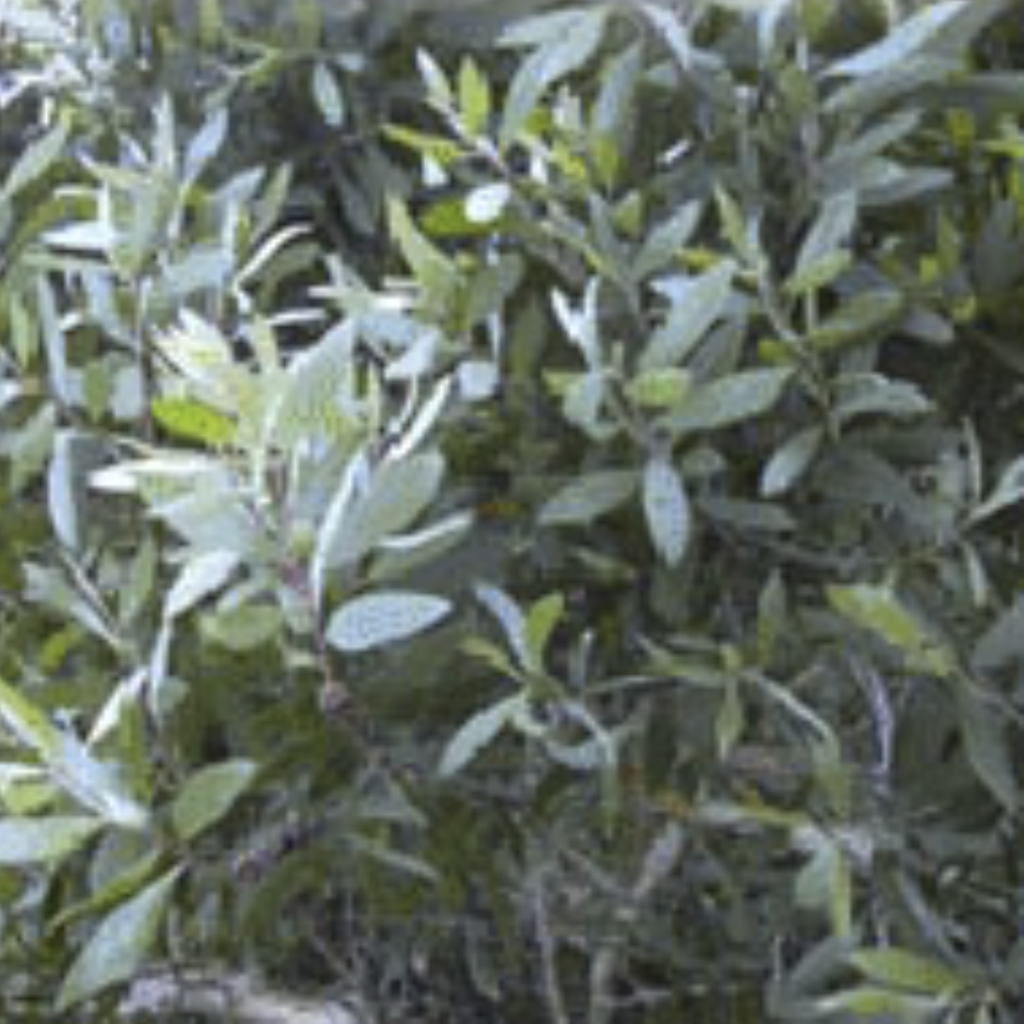
Tea Tree comes from Australia and New Zealand trees and scrubs. It is related to eucalyptus. The aroma is similar to eucalyptus but softer. Tea tree is non-toxic. There are over 100 species of tea tree and three species are distilled for their essential oils. Melaleuca alternifolia produces tea tree oil; Melaleuca cajeputi produces cajeput essential oil; Melaleuca viridiflor produces niaoli essential oil. Tea tree’s medicinal effectiveness is the result of two chemical constituents found in the oil—cineole and terpinen. Both constituents are bactericidal and germicidal. Cineole can be a skin irritant. The ratio of cineole and terpinen can vary greatly in many species of tea tree. Australia developed a standard for a minimum terpinen content of 30 percent and a maximum cineole content of 15 percent. The terpinen in tea tree oil can soothe cuts, scratches, sunburn and cold sores. Tea tree can help alleviate overly oily skin. By massaging a few drops into the scalp will help lift greasy deposits from the hair shaft before shampooing.
Botanical Name: Melaleuca alternifolia
Family: Myrtaceae
Country of Origin: Australia
Part of Plant Used: Leaves and twigs
Blends Well With: Cajeput, cinnamon, clove, cypress, eucalyptus, geranium, ginger, juniper, lavender, lemon, mandarin, orange, peppermint, rosemary, thyme
Common Uses: Respiratory system infections, urinary infections, asthma, bronchitis, tuberculosis, athlete’s foot, candida, fungal infections, ringworm, vaginitis, infected wounds, sores
Characteristics: Fresh and antiseptic, rather pungent
Extraction Method: Steam or water distillation
Healing Properties: Antimicrobial, antiseptic, bactericide, cicatrisant, expectorant, fungicide, insecticide, stimulant, sudorific
Reviews
There are no reviews yet.